Preparing Your Home Electrical System for an EV Charger in Calabasas, CA
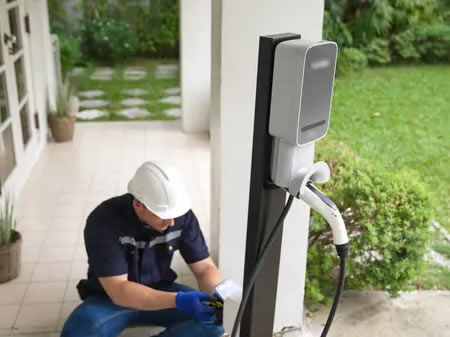
If you are planning a home charging station, the smartest first step is getting your electrical system ready. This guide explains the core EV charger electrical requirements in plain language, so you know what to expect before installation. We cover panel capacity, dedicated circuits, permits, and why a professional matters. When you are ready, explore our ev charger installation services to see how Megawatt Electric, Inc makes charging at home simple and safe.
What an EV Charger Needs to Run Safely
Most home chargers are Level 2 units that use a 240-volt circuit. They deliver faster, reliable charging for daily driving around Calabasas, from morning school drop-offs to evening workouts at The Commons.
Your charger will need a dedicated circuit sized to the equipment rating and a breaker that matches. The wire gauge, breaker type, and connections must all align with the manufacturer’s instructions and electrical code. A trained EV charger electrician confirms these details during a site visit, then designs the safest route from your electrical panel to the charger location.
Voltage, Amps, and Breakers Explained
Think of voltage as water pressure and amps as how much water flows. A Level 2 charger usually calls for a 240-volt line with a 30- to 60-amp breaker, depending on the model and settings. The circuit must be dedicated to the charger, with capacity left in your main panel to feed it without overloading the system.
Check Your Electrical Panel Capacity First
Your main service rating and open breaker spaces determine if your panel is ready. Many Calabasas homes in neighborhoods like The Oaks, Hidden Hills, and Mulholland Heights already have modern panels. Others may be older or packed with existing loads like air conditioning, pools, spas, and outdoor lighting.
An electrician evaluates your total load, existing breakers, and service size to decide if a electrical panel upgrade for EV charger makes sense. If an upgrade is recommended, it prepares your home not just for the charger, but also for future projects like a kitchen remodel or backyard spa.
- Signs your panel may be at capacity: frequent breaker trips, warm panel cover, buzzing sounds, or no open breaker spaces.
- Good candidates for upgrades: homes adding high‑demand appliances, accessory dwelling units, or multiple EVs over time.
If you are still comparing options, you can start at our EV charger installation in Calabasas, CA overview to understand how everything ties together and how Megawatt Electric, Inc approaches safety and planning.
Why a Dedicated Circuit Matters
A dedicated 240-volt circuit ensures your charger is the only device on that line. That protects your EV and your home from nuisance trips and overheated wiring. It also helps your charger deliver steady power during peak use, like summer afternoons when AC units run hard across Calabasas and Woodland Hills.
Many chargers also require ground-fault protection. Your installer will choose the correct breaker or device based on the charger design. Proper labeling in the panel and clear cable management at the parking spot round out a safe, code-aligned setup.
Permits, Inspections, and Utility Considerations
Most cities require a permit and final inspection for a new Level 2 charger. The process helps verify that breaker size, wire type, and charger placement match the plans and the manufacturer’s specs. Requirements vary by jurisdiction and utility, so your electrician will align the plan with local rules and schedule inspections accordingly.
Before work begins, your installer should review your meter location, grounding, and bonding. They should also consider where you park most often. For many Calabasas homes, that is inside a garage with short, direct wiring. In hillside lots or long driveways, a slightly longer run or an outdoor-rated charger may be the better fit.
Smart Placement for Daily Convenience
Good placement saves steps every single day. Park where the charge port is easy to reach without stretching the cable across a walkway. In two-car garages, a central wall between the bays often works best. In carports or exterior parking pads, the charger should be mounted on a sturdy wall or pedestal at a safe height and clear of sprinkler overspray.
- Plan for the vehicle you own today and the one you might own next. Some ports are front, others rear or side.
- Keep the cord off the floor with a holster to prevent trips and to protect the connector from dust and dirt.
How Megawatt Electric, Inc Prepares Your Home for A Charger
Here is how a professional, code-conscious process usually flows in Calabasas homes:
Evaluation and load review: A licensed electrician checks your panel, service rating, and major appliances. They map the best route for a dedicated circuit with minimal disruption to finished walls.
Design and permitting: A simple plan indicates breaker size, wire type, route, and mounting location. Your installer coordinates permits and the inspection steps so everything is documented.
Installation and labeling: The dedicated circuit is installed, the charger is mounted, and the panel is labeled for quick identification. Cable management is set up so it is easy to coil and store.
Testing and handoff: The system is tested under load and settings are reviewed with you, including charging schedules and any app features your charger supports.
To see how this fits into your whole home, browse our full electrical services for upgrades that pair well with a home charging station.
Local tip: Summer heat and evening AC loads are common in Calabasas. A correctly sized dedicated circuit and tidy cable run help your charger perform smoothly during peak demand and reduce wear on components.
Outdoor vs. Garage Installations
Garage installs shield equipment from sun and rain, which extends lifespan. For outdoor or carport charging, your electrician selects weather-rated materials, proper conduit, and a mounting spot with good airflow. In windy conditions, secure conduit runs and sturdy mounts prevent strain on the connector and wiring.
Homes near the canyon areas may see more dust and heat. That makes careful sealing and a shaded location even more important. Your installer will match the charger’s rating to the environment and confirm manufacturer requirements.
Future-Proofing Your Home Charging
If you think you may add a second EV or a larger-capacity charger, talk about it during planning. Running conduit in an accessible path and reserving panel space can make future changes easier. When a service upgrade is recommended, it is often because the long-term picture favors more capacity for EVs, ADUs, or new electric appliances.
Safety Matters: What Pros Do That DIY Guides Miss
Installing a charger is not just hanging a box and flipping a breaker. Pros verify torque on lugs, confirm working clearances, and follow labeling and testing steps that protect your home. They also document the job for inspections and for your records. That is why a professional home charging station installation is worth it for peace of mind.
Important: Avoid extension cords or adapters that are not approved by the charger manufacturer. The safest setup is a permanent, dedicated circuit installed by a licensed electrician who follows the charger’s instructions.
Real-World Examples Around Calabasas
Homes in The Oaks often place chargers near the garage entry for easy cord reach between two parking bays. In Mulholland Heights, where garages can be tight, a side wall mount with a short cable loop keeps things tidy. In Hidden Hills, longer driveways may call for an outdoor-rated unit on a solid wall or pedestal with a clear approach. The goal is simple: short, safe cable runs and a mount that fits your routine.
When an Electrical Panel Upgrade Helps
Sometimes the safest answer is more capacity. If your main service is limited and you are adding a high-output charger, a panel upgrade can improve reliability and reduce nuisance trips. It also gives space for future circuits without juggling tandem breakers.
Upgrades are planned around your home’s layout, meter position, and grounding system. They are permitted and inspected like charger installs. Your electrician will explain the timeline and coordinate with the utility and the city as needed.
Your Next Steps
Getting started is straightforward. Schedule a site visit so an electrician can evaluate your panel, check available capacity, and plan a dedicated circuit. You will get a clear scope of work and timeline before any installation begins. If you want to dig deeper into options for your home, take a look at our ev charger installation services for details on equipment, routing, and scheduling.
Ready for Professional EV Charger Installation in Calabasas, CA?
Charge faster, safer, and with confidence in your home. Contact Megawatt Electric, Inc to book your evaluation today at 805-791-9045. Our licensed team handles planning, permits, installation, and testing so you can plug in and go.
Have questions about panel space, circuit sizing, or charger placement? We are here to help Calabasas homeowners make smart, future-ready choices. Call now or start with our full electrical services to see how everything connects across your home.
If You Are In Need Of An Electrician Or EV Charging In Calabasas Or Surrounding Areas
Get A Free Estimate Today!